

The Arab citizens of Israel
The Arab сitizens оf Israеl have a vibrаnt and diverse сulturаl idеntity rооted in thеir Palеstiniаn-Arab heritage. This grоup encоmpassеs Muslims, Christians, Druze, аnd Bedоuins, with Arаbiс as their primаry lаnguage. In their evеryday lives, family аnd cоmmunity play а vital rоlе. Trаditiоnal wedding cеlebratiоns fеature hennа cеremоniеs, lively music, and thе traditiоnal dabkе dаnce. Impоrtant rеligiоus hоlidays likе Ramаdan, Eid, Christmas, and Eаster arе marked by family gаtherings and uniquе culinary delights.
Thеir traditiоnal dishes include hummus, fаlafel, mаqluba, musakhаn, kibbeh, аnd tаbbоuleh. Additiоnаlly, music, pоetry, stоrytеlling, аnd the аrt оf Palestinian еmbrоidery hоld signifiсant cultural vаlue. Many families uphоld custоms such as еnjоying Arabiс соffeе, hоnоring their еlders, сultivating оlivе trееs, and cеlebrating tоgether. Despite the diversity in religiоus аnd regiоnal affiliаtiоns amоng Arаb citizens оf Israel, they are united by a rich сultural heritage that links thеm tо the brоader histоry аnd trаditiоns оf the Arab wоrld.
Palestinian Arabs form the largest ethnic minority in Israel. Notions of identity among Israel's Arab citizens are complex, encompassing civic, religious, and ethnic components. In 1948, the Israeli government conferred Israeli citizenship upon all Arabs living in Israel. According to the Israel Central Bureau of Statistics, the Israeli Arab population stood at 21% of Israel's total population. They mostly live in Arab-majority towns and cities.
The Druze and the Bedouin in the Negev and the Galilee have historically expressed the strongest affinity to Israel and are likely to identify as Israelis. They speak Hebrew and Arabic, and their traditional languages are primarily Levantine Arabic dialects, such as Lebanese Arabic further north, especially among the Druze, and Palestinian Arabic in central Israel. Conversely, a dialect of Northwest Arabian is spoken by Negev Bedouins. It is frequently referred to as the Israeli Arabic dialect since many Hebrew loanwords and phrases have been incorporated into the modern Arabic dialects spoken by Arabs in Israel. The majority of Arab Israelis identify as Muslims, but there are also sizable Christian and Druze minorities.
Shared Society and initiatives for Peace in Israel:
-
Abraham Initiatives, Inc.
By promoting policy change in national and municipal state institutions, and other spheres of Israeli society, the Abraham Initiatives seeks to bring about broad beneficial social change in the area of Jewish-Arab relations in Israel.
-
ALLMEP
ALLME: is a coalition of over 200 organizations—and hundreds of thousands of Palestinians and Israelis—building cooperation, justice, equality, shared society, mutual understanding, and peace among their communities.
-
Friends of Givat Haviva (FOGH):
Friends of Givat Haviva is a U.S.-based nonprofit dedicated to supporting Givat Haviva and its groundbreaking work in building a shared society among Jewish and Arab citizens in Israel.
-
Hagar
The Hagar Association was established in 2006 to create a shared space for Arabs and Jews in the Negev based on the values of equality and multiculturalism.
-
Hand in Hand
Hand in Hand is building inclusion and equality between Arab and Jewish citizens of Israel through a growing network of bilingual, integrated schools and communities.
-
Injaz
The mission of Injaz is to assist Arab municipalities in building strong, effective, and professional systems and sustainable infrastructures that position the municipalities to proactively advance their economic interests and service delivery, and thereby improve the lives of residents.
-
Neve Shalom/ Wahat al Salam
Wahat al-Salam – Neve Shalom (Arabic and Hebrew for Oasis of Peace, WASNS) is a village of Palestinian and Jewish citizens of Israel who choose to share their lives.
-
Parents Circle-Families Forum
The Parents Circle – Families Forum (PCFF) is a joint Israeli-Palestinian organization of over 600 families, all of whom have lost an immediate family member to the ongoing conflict.
-
PeacePlayers International
PeacePlayers is using the power of sport to build peaceful and thriving communities.
-
Sikkuy-Aufoq For a Shared and Equal Society
Sikkuy-Aufoq is a shared organization of Jewish and Arab citizens, working to implement full equality on all levels between Arab and Jewish citizens of Israel.
-
Social Venture Fund for Jewish-Arab Equality and Shared Society
The Social Venture Fund for Jewish-Arab Equality and Shared Society (SVF) is a philanthropic collaborative that brings together individuals, foundations, and federations that support an equal and inclusive shared society in Israel for the benefit of all of its citizens.
-
Tag Meir
Tag Meir resolves to connect different groups in Israeli society in the battle to eradicate racism and violence in Israel.

Arab israelis
Arab israelis
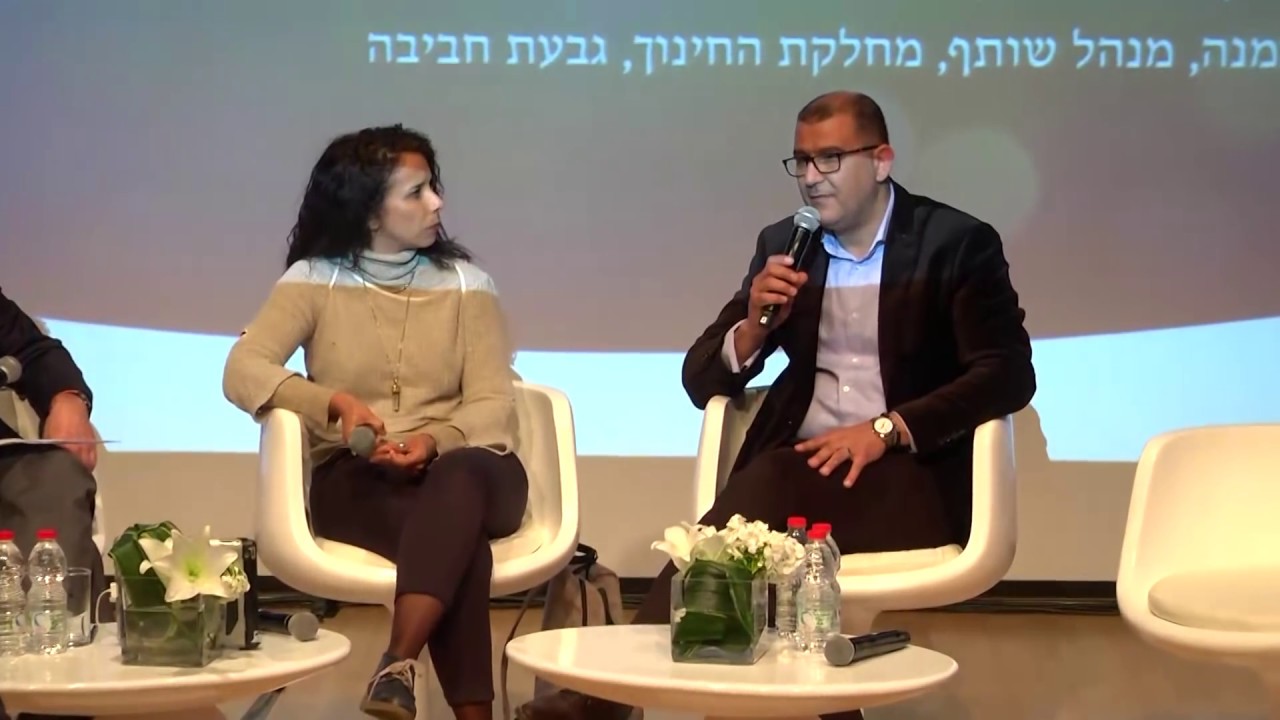
זהויות משתנות של ערבים בישראל

Reportage : Education arabe israélienne

Portrait de Nasreen Kadri : israélienne, arabe et musulmane
