Social Practices
Social practices, religious traditions, and festivals are part of the daily life of Israeli citizens. They are essential to preserving the identity of Israel and its communities. They are embedded in both the national calendar and the calendars of individual communities, and they are connected to those communities' histories and collective memory [1][2].
Rituals and festive events take place at specific times and places, and they remind a community of its worldview and history. Social practices shape everyday life and are familiar to all members of a community, even those who do not take part in them directly. Because Israeli citizens come from many different backgrounds, the diversity of these practices enriches the life of the country and strengthens the sense of identity and continuity with the past [1][2].
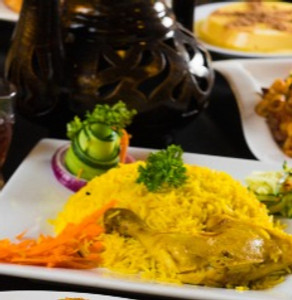
Social practices, religious traditions, and festive events take many forms, including prayer, brit milah, bar mitzvah, marriage, Shabbat traditions, culinary traditions, religious festivals, and Independence Day. They also involve a wide range of expressions and physical elements: gestures and special words, recitations, singing and dancing, special clothing, and special foods [1][2].
These practices are strongly affected by change in modern society, because they depend on the broad participation of practitioners and of the wider community. In a modern world focused on productivity, traditions risk disappearing or being reduced to a museum function. Israel's intangible cultural heritage is a living heritage. It must remain so for future generations, and it must be safeguarded through everyday social practices [1][2].
References
(1) National Library of Israel.
(2) UNESCO. Intangible Cultural Heritage: "What is intangible cultural heritage?"