
JEWISH MIZRAHI MUSIC
Israeli immigrant communities from Arab countries have, over the last 50 years, created a blended musical style that combines Turkish, Greek, Arabic, and Israeli elements. The Muzika Mizrahit style is truly spontaneous and indigenous. The Muzika Mizrahit movement started in the 1950s with homegrown performers in the ethnic neighborhoods of Israel – the predominantly Yemenite "Kerem Hatemanim" neighborhood of Tel Aviv, Moroccan neighborhoods, and neighborhoods of Iranian and Iraqi immigrants – who played at weddings and other events. They performed songs in Hebrew, but in a predominantly Arabic style, on traditional instruments – the Oud, the Kanun, and the darbuka. Jo Amar and Filfel al-Masry were two early proponents of Moroccan and Egyptian extraction. In the 1960s, they added acoustic guitar and electric guitar, and their sound became more eclectic. Vocalists typically decorated their singing with melisma and other oriental-style ornaments, and delivery was often nasal or guttural in character.
Lyrics were originally texts taken from classic Hebrew literature, including liturgical texts and poems by medieval Hebrew poets. Later, they added texts by Israeli poets and began writing original lyrics as well. An example is the song "Hanale Hitbalbela", sung by Yizhar Cohen. The lyrics are by the modern Hebrew poet and lyricist Natan Alterman, to a traditional tune.
In the 1970s and early 1980s, a few of these performers began distributing their songs on cassette tapes. The tapes were an instant hit. They were sold in kiosks in the rundown shopping area around the Tel Aviv bus station, and the music became known derogatorily as "Muzikat Kassetot", cassette music, or "Bus station music". Performers during this period included Shimi Tavori, Zehava Ben and Zohar Argov, whose song "HaPerah BeGani" became a major hit. Zohar Argov became known as the "King of Muzika Mizrahit"; he became a folk hero, and a movie was made of his life.
The penetration of Muzika Mizrahit into the Israeli establishment was the result of pressure by Mizrahi composers and producers such as Avihu Medina, the overwhelming, undeniable popularity of the style, and the gradual adoption of elements of Muzika Mizrahit by mainstream artists. Yardena Arazi, one of Israel's most popular stars, made a recording in 1989 called "Dimion Mizrahi", and included original material and some canonical Israeli songs. Also, some performers started developing a fusion style of Muzika Mizrahit, Israeli, Greek, and other styles. These included Ehud Banai, Yehuda Poliker, and Shlomo Bar, whose group "HaBrera HaTivit" incorporated Sitars, tabla, and other Indian instruments to create a new "World" style.
The acceptance of Muzika Mizrahit, over the 1990s, parallels the social struggle of Israelis of Mizrahi origin to achieve social and cultural acceptance. This move to the mainstream culture includes cultural assimilation", writes literary researcher and critic Mati Shmuelof.
Jewish Mizrahi music
Jewish Mizrahi music
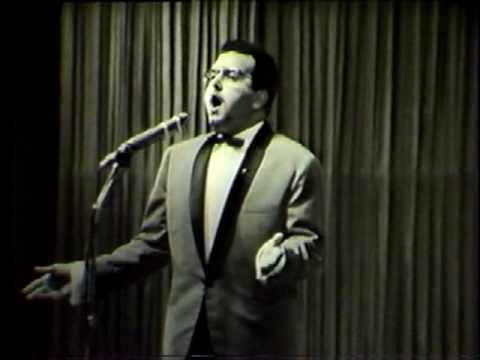

Jo Amar Greet my cousin ג'ו עמר שלום לבן דודי

זוהר ארגוב בדד

Ofir Ben Shitrit sings Moroccan Jewish song "Ya Mama" by Shimon Buskila | Jewish music Israel
